High Altitude Plants for Routt County Homeowners
Choosing the right high altitude plants for your Routt County property is one of the most important decisions you will make as a homeowner in this valley. At elevations where winters are long, soils are challenging, and the growing season is measured in weeks rather than months, the difference between plants that struggle and plants that thrive comes down to selection, sourcing, and a solid understanding of what our mountain environment actually demands.
When it comes to building a landscape that truly belongs here, native plants are your strongest starting point. A native plant has spent generations adapting to our exact soils, elevation, and climate. They are wired for this place in a way that imported ornamentals simply are not, and once established, they largely take care of themselves. Weaving native species throughout your landscape is one of the smartest things you can do for long-term beauty and low-maintenance living.
This guide walks you through what works here. From sun-loving perennials that withstand snow and come back stronger every spring, to shade lovers, structural shrubs, and trees built for high elevations, every plant on this list has earned its place in a Steamboat landscape. Whether you are starting from scratch or filling in an existing garden, consider this your local starting point.
Understanding the Steamboat Growing Season
If you've tried to grow a garden in Routt County, you already know it doesn't play by normal rules. The winters are long, the springs are legendary for all the wrong reasons, and that gorgeous summer window closes faster than you'd like. Gardening here requires a different approach, and it starts with understanding exactly what you're working with.
The Reality of Zone 3-4
Most of Routt County sits in USDA Hardiness Zones 3 to 4, which means average winter lows can reach -30 to -40 degrees Fahrenheit. That puts us in a completely different category than Denver or the Front Range, where most nursery stock is grown and tested. A plant labeled "cold hardy" at a big-box store may have never seen anything close to a real Steamboat winter. That mismatch is one of the most common and expensive mistakes we see local homeowners make.
The High-Altitude Challenge
Add in intense UV radiation, relentless drying winds, and the chaos of Mud Season, and you start to appreciate why a thoughtful plant selection matters so much. Steamboat's actual frost-free window runs roughly from mid-June to mid-September. About 90 days. Every choice in your garden should be built around making the most of that short but spectacular season.
The Goal
This guide is a practical look at high altitude plants that don't just survive our conditions, they genuinely thrive in them. From sun-loving perennials to structural evergreens to creative containers, this is what actually works in the Yampa Valley.

Setting the Foundation: Success with High-Altitude Plants
Getting the right plants into the ground is only half the battle. Before you ever visit a nursery, there are a few foundational things worth understanding about how plants behave at higher altitudes and what the Yampa Valley soil is actually asking of you.
Soil Hardiness in the Yampa Valley
Routt County soils tend to fall into two camps: heavy clay that holds water like a sponge, or rocky glacial till that drains almost too fast. Neither is ideal right out of the gate, but both are workable with the right approach. What higher altitudes need, more than anything, is well-drained soil. Roots sitting in saturated ground through snowmelt season is a fast track to plant loss, no matter how tough the variety. Amending your beds with compost and ensuring proper grading before you plant is not optional here. It's the foundation everything else is built on.
Poor soil conditions are common across Steamboat properties, especially on disturbed lots where topsoil was stripped during construction. The good news is that even challenging soils, with the right preparation and an eye toward soil hardiness, can support a beautiful and thriving garden for decades.
The Acclimation Advantage
Here's something most homeowners don't realize: plant growth is slowed significantly when you purchase plants that haven't been acclimated to high altitudes. Stock shipped in from lower elevations has been growing in warmer temperatures, richer soils, and more forgiving conditions. Drop that plant into cool mountain soil temperatures and a short growing season, and it spends its first year just trying to adjust rather than establishing and thriving.
This is why sourcing plants from a local nursery or working with a local design-build firm matters so much. Locally grown stock has already done that adjustment work. It hits the ground ready to perform, which in a 90-day season makes a real difference.
Water-Smart Planting
This past season's low snowpack has already translated into water restrictions across the valley, and it's a good reminder that water is not something to take for granted in Steamboat. Despite what the ski resort marketing suggests, we sit in a high desert environment where summer moisture is unpredictable and irrigation water is increasingly regulated. Designing your landscape around plants that don't require heavy watering isn't just an environmental choice, it's a practical one. The right plant selections for our elevation and climate can look stunning all season long without putting pressure on your water budget or running afoul of local restrictions. We'll get into the specific plants that fit that profile throughout the rest of this guide.
Top Perennial Sun-Loving Plants for High Elevations
This is where the fun begins. Steamboat's intense high-altitude sun, combined with our short growing zone, actually creates ideal conditions for a surprisingly long list of tough, beautiful perennials. These are plants that have adapted to thin air, temperature swings, and rocky soils, and they reward you with color and texture that rivals anything you'd find at lower elevations.
The Sun-Seekers
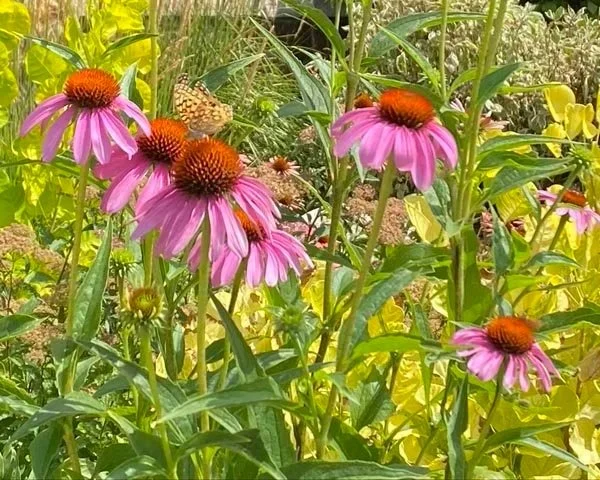
The key to a successful sun garden at altitude is selecting plants that handle the UV without frying and come back stronger every year. For that wildflower aesthetic that feels so natural to this landscape, these varieties perform exceptionally well in Routt County:
Blanket Flower (Gaillardia), Blue Flax, Rocky Mountain Penstemon, Bee Balm (Monarda), Asters, Erigeron, Yarrow, Globe Thistle (Echinops), Blue Fescue Grass, Gayfeather (Liatris), Milkweed, Geraniums, Comfrey, Echinacea, and Dianthus.
That list barely scratches the surface, but those are proven performers in our zone that we return to again and again.
Most perennials should be purchased with established root systems rather than started from seed directly in the garden. Our season simply doesn't give a freshly sown seed enough growing days to establish before winter arrives. If you love starting from seed, begin them indoors in late winter and get them in the ground as transplants once the soil has warmed.
A Note on Deadheading
With only about 90 days to work with, every bloom cycle counts. Deadheading spent flowers before they go to seed encourages most of these perennials to push a second round of color before the first frost arrives. It takes ten minutes and extends your flowers by weeks. Well worth it.
The Best Shade Perennials for Your Mountain Garden
Not every corner of your property basks in full sun, and that is actually a good thing. Shaded areas around your home, under existing trees, or tucked against a fence offer a completely different set of growing conditions, and there is a wonderful collection of perennials that genuinely prefer them. Done well, a shade garden in Steamboat can feel lush and almost woodland-like, which is a beautiful contrast to the open sunny beds elsewhere in the landscape.
Finding Your Shade
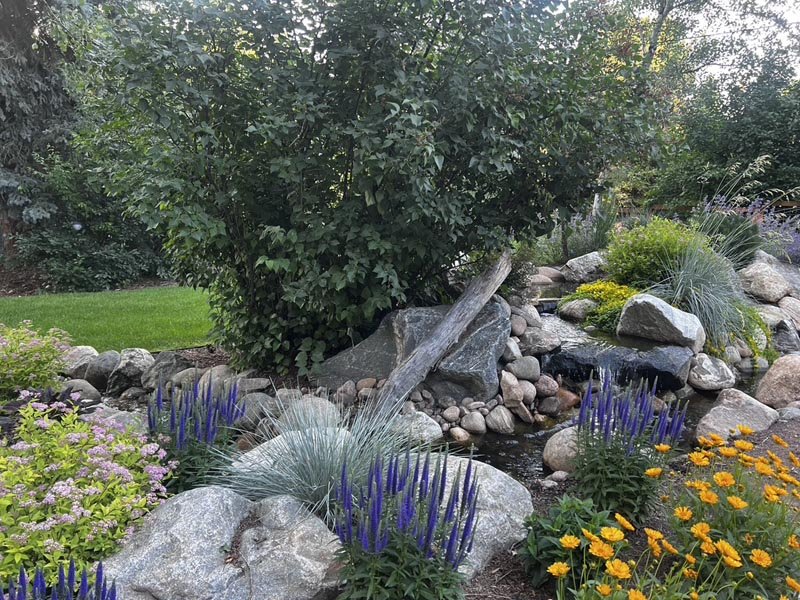
Shaded growing conditions at altitude tend to stay cooler and hold moisture longer, which suits a specific collection of plants perfectly. Rather than fighting those conditions, lean into them. Some of our favorite shade performers for Routt County include:
Bleeding Heart (Dicentra), Columbine, Pasque Flower, Kinnikinnick, Mahonia, Brunnera, Ligularia, Phlox, and Ajuga.
Columbine deserves a special mention as Colorado's state flower. It naturalizes beautifully in shaded mountain gardens and comes back reliably year after year with very little fuss.
Texture and the Woodland Feel
To round out the collection and add real depth to a shade garden, don't overlook Ferns and Hostas. Neither is native to our mountains, but both handle the growing conditions well in sheltered spots and bring a lushness to the landscape that surprises a lot of people. Layering these alongside your flowering shade perennials creates something that feels intentional and beautiful in every direction.

Instant Color: Top Container Annual Flowers and Grasses
With a growing season as short as ours, containers are one of the smartest tools in a Steamboat gardener's arsenal. While your perennial beds are still waking up, a well-planted pot can bring immediate life and color to your entryway, patio, or deck. The key is to have fun with them and let go of the old formulas.
Get Creative With Your Containers
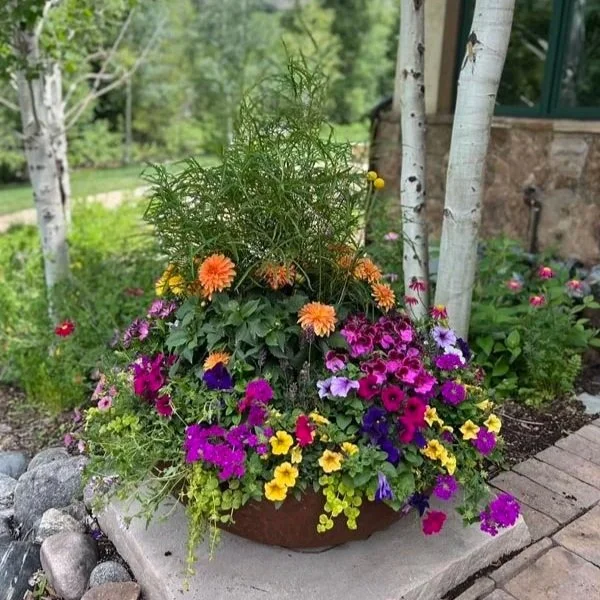
The classic thriller, filler, spiller recipe has its place, but it is not the only way to build a beautiful pot. Instead of defaulting to a boring center spike, try anchoring your container with a blooming shrub or a favorite perennial that can be transplanted into your garden beds at the end of the season. Pack them full. Our short season means you want maximum impact from day one, and a densely planted container delivers exactly that.
If committing to annuals that only last one season doesn't appeal to you, consider filling your pots with biannuals, or go a completely different direction and plant them with salad greens, herbs, or vegetables. There is something genuinely satisfying about a container that feeds you all summer while looking beautiful on your back patio.
Adding Height and Texture
For containers that need a little more structure and movement, ornamental grasses are a natural fit. Blue Oat Grass is a favorite for pots in our climate. It brings a modern, textural quality to container arrangements and handles the temperature swings at elevation without complaint.
Annuals in the Ground
Don't overlook annuals as a ground planting either. Mass planted directly in your beds, annuals can create stunning sweeps of color that carry the garden through the entire season. Used as smaller accent areas between established perennials, they fill gaps beautifully and keep things looking intentional even while your permanent plantings are still maturing.
Structural Beauty: Standout Grasses and Deciduous Shrubs
Perennials and annuals get a lot of the glory, but grasses and deciduous shrubs are the real workhorses of a well-designed Steamboat landscape. They provide structure, movement, and seasonal interest that carries the garden long after the last bloom has faded.
Grasses: The Secret Weapon
If there is one category of plant that is underutilized in mountain gardens, it is ornamental grasses. They are stunning in summer, but their real magic happens in winter. Left standing through the snow season, grasses catch the light on a January afternoon in a way that few other plants can match. The seed heads hold their form under a dusting of snow and remind you that a thoughtful landscape looks good in every month of the year.
Some of our favorites for Routt County include Karl Foerster Feather Reed Grass, Tufted Hair Grass, and Miscanthus Gracillimus. The options go well beyond that list, but those three are reliable, beautiful, and proven performers at our elevation.
Deciduous Shrubs: Structure With Seasonal Payoff
This is where the plant palette for Steamboat really opens up. There are a tremendous number of shrub species that perform beautifully here, and many are native to this region. Mountain Mahogany is a perfect example, a tough, beautiful shrub that looks like it belongs here because it does.
Other standouts include Serviceberry (Saskatoon), which puts on a gorgeous spring bloom followed by berries that the birds will thank you for, Red Osier Dogwood, which earns its place in winter with brilliant red stems that glow against the snow, and Potentilla, one of the most reliably tough flowering shrubs for our zone.

The Backbone of the Landscape: Evergreen Shrubs
If grasses are the secret weapon of a Steamboat garden, evergreen shrubs are the backbone. They are the plants that hold the landscape together when everything else has gone dormant, providing privacy, color, and structure through the longest stretch of the year.
The Winter Anchor
There is something deeply satisfying about a landscape that still looks intentional in February. Evergreen shrubs are what make that possible. When the perennials are buried, and the deciduous shrubs are bare sticks, a well-placed Mugho Pine or Globe Spruce reminds you that someone thought this through.
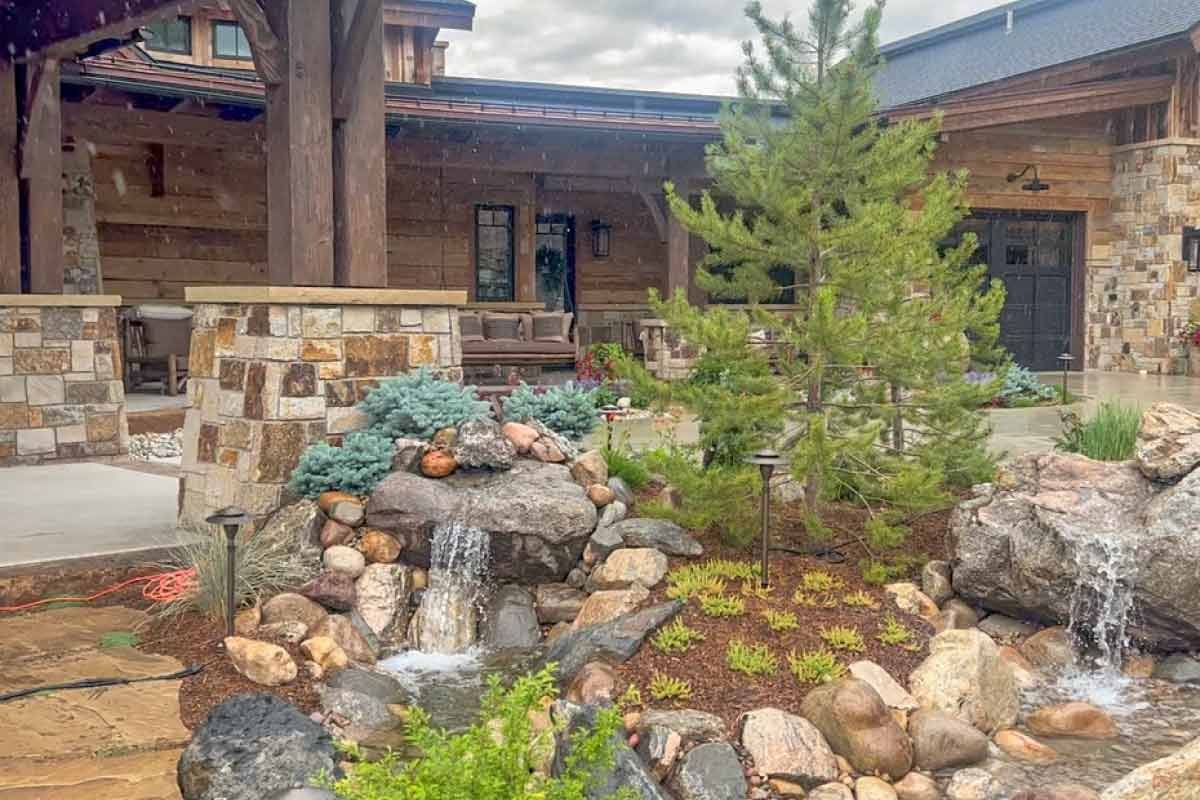
Both are excellent choices for Routt County. Mugho Pine is tough, low-growing, and brings a rugged mountain character to the landscape that feels completely at home here. Globe Spruce offers a tighter, more formal shape that works beautifully as an anchor point in a mixed bed or flanking an entry.
Thinking About Snow Load
One thing that catches a lot of homeowners off guard is the sheer weight of a Steamboat snowfall on evergreen branches. Choosing low-spreading or naturally flexible varieties goes a long way toward avoiding the branch breakage that can disfigure a shrub overnight. It is one of those details that a local designer thinks about automatically, and that is easy to overlook if you are sourcing plants without that elevation experience.
The Right Choice: Selecting Deciduous and Evergreen Trees for Higher Altitudes
Trees are the longest commitment you will make in your landscape, and at this elevation, that decision deserves real thought. The right tree in the right location will outlast your ownership of the property and define how the whole landscape feels for decades. The wrong one can cause serious problems with foundations, drainage, and snow shed zones that are expensive to fix.
Deciduous Trees
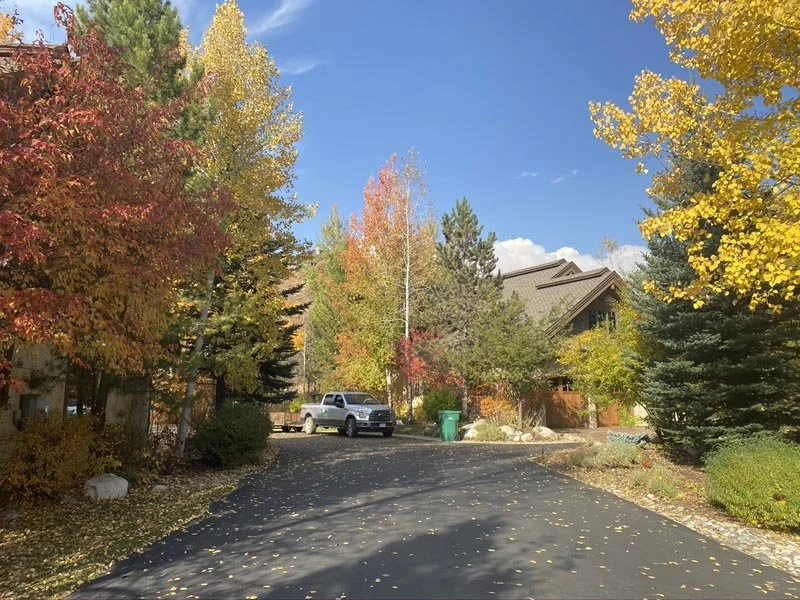
Routt County has a wonderful palette of deciduous trees to work with, and some are genuinely spectacular throughout multiple seasons. The Quaking Aspen is the local icon for good reason. Its summer shimmer, fall gold, and white winter bark make it a four-season performer that feels completely native to this landscape.
For fall color, Autumn Blaze Maple delivers one of the most vivid displays you will find at our elevation. Gambel Oak brings rugged character and outstanding autumn color. Mountain Ash is another favorite, offering spring blooms, summer berries, and brilliant fall foliage all in one tree.
Then there are the flowering trees, which deserve far more attention than they typically get in mountain landscapes. Hawthornes are among the most beautiful and underutilized trees in our region, with spring flowers, interesting structure, and exceptional hardiness. Canada Red Cherry and flowering Crabapples, including the white blooming Snow Crab and the stunning pink blooming Radiant, are exactly what you see lining the streets of downtown Steamboat Springs every spring. These are perfect for Colorado Springs landscapes.
Evergreen Trees
Colorado Blue Spruce, Lodgepole Pine, and Douglas Fir are the evergreen anchors of a Routt County landscape. All three handle our wind, snow load, and cold with ease and bring a year-round structure that deciduous trees simply cannot provide in winter.
Placement Matters
This is one area where working with a professional landscape designer is not just helpful, it is genuinely important. Trees planted too close to a foundation, under a roof drip line, or in a snow shed zone can cause real damage over time. Getting placement right from the beginning protects your home and ensures your trees have the space to grow into everything they are capable of becoming. Nature's Design has over 30 years of experience picking the right plants for Steamboat properties.
Creating a Landscape That Will Thrive
A great Steamboat landscape doesn't happen by accident. It is the result of good plant selection, proper site preparation, and a team that understands this valley well enough to make smart decisions before a single plant goes in the ground. That combination is what separates a landscape you love from one you are constantly nursing along.
The Long View
Investing in high-quality, high-altitude plant stock pays off in ways that are easy to see over time. Plants that are properly sourced, properly placed, and properly installed establish faster, perform better, and add genuine value to your property. Cutting corners on plant quality or skipping the design phase might save money upfront, but it rarely saves money in the end.
The Design-Build Advantage
Working with a local design-build firm means you get a team that has already solved the problems your property will throw at them. They know the soils, drainage patterns, snow load realities, and plant varieties that consistently perform at this elevation. That experience is not something you can replicate with a good internet search, and on a property investment of this size, it matters.
Get Outside and Start Planting
There has never been a better time to invest in your outdoor space. Steamboat Springs is a remarkable place to live, and a landscape that reflects that, one that is beautiful, durable, and genuinely suited to this mountain environment, makes every season better.
Your Steamboat Landscape Starts Here
Nature's Design has been building exceptional landscapes in this valley for nearly 30 years. We know the soils, seasons, and plants that thrive at this elevation, and we bring that experience to every project we take on. If you are ready to create an outdoor space as beautiful and durable as the mountains surrounding it, we would love to start that conversation.